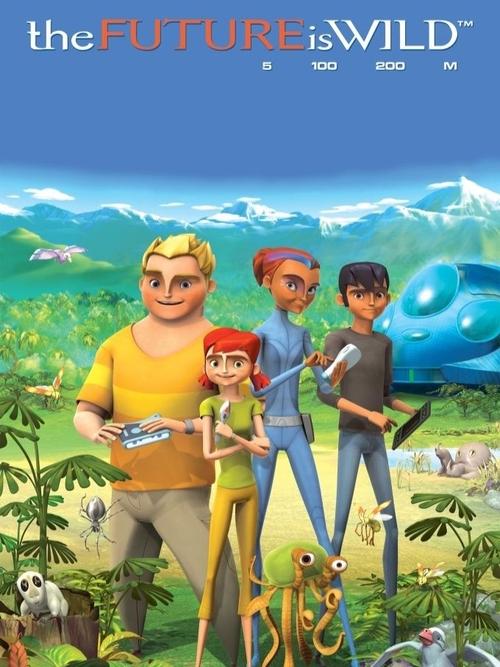
The Future Is Wild
The Future Is Wild was a 2002 thirteen-part documentary television miniseries. Based on research and interviews with several scientists, the miniseries shows how life could evolve in the future if Homo sapiens left the earth. The version broadcast on the Discovery Channel modified this premise, supposing instead that the human race had completely abandoned the Earth and had sent back probes to examine the progress of life on the planet. The show took the form of a nature documentary. The miniseries was released with a companion book written by geologist Dougal Dixon, the author of several "anthropologies and zoologies of the future", in conjunction with natural history television producer John Adams. For a time in 2005, a theme park based on this program was opened in Japan. In 2008 a special on the Discovery Channel about the development of the video game Spore was combined with airings of The Future Is Wild. A film version of the series was picked up by Warner Bros.
Overview
The Future Is Wild was a 2002 thirteen-part documentary television miniseries. Based on research and interviews with several scientists, the miniseries shows how life could evolve in the future if Homo sapiens left the earth. The version broadcast on the Discovery Channel modified this premise, supposing instead that the human race had completely abandoned the Earth and had sent back probes to examine the progress of life on the planet. The show took the form of a nature documentary. The miniseries was released with a companion book written by geologist Dougal Dixon, the author of several "anthropologies and zoologies of the future", in conjunction with natural history television producer John Adams. For a time in 2005, a theme park based on this program was opened in Japan. In 2008 a special on the Discovery Channel about the development of the video game Spore was combined with airings of The Future Is Wild. A film version of the series was picked up by Warner Bros.
Episodes
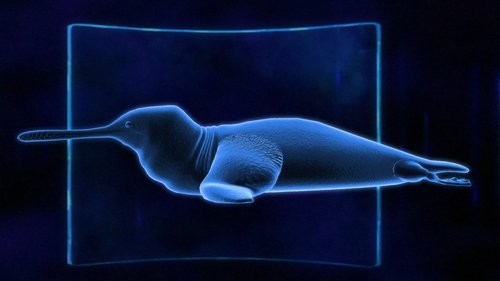
1. Welcome to the Future
The opening episode serves as an introduction to the series, featuring many clips from later episodes and giving an overview of the series. It opens by discussing which animals (such as the big cats and bears) will disappear in a few thousand years and explains that evolution will continue. It is also the only episode to touch upon the absence of humans in the future. It does not, however, explain what will have happened to the human race. The creators said that it was up to the viewers to make their own assumptions about the fate of mankind.
2. Return of the Ice
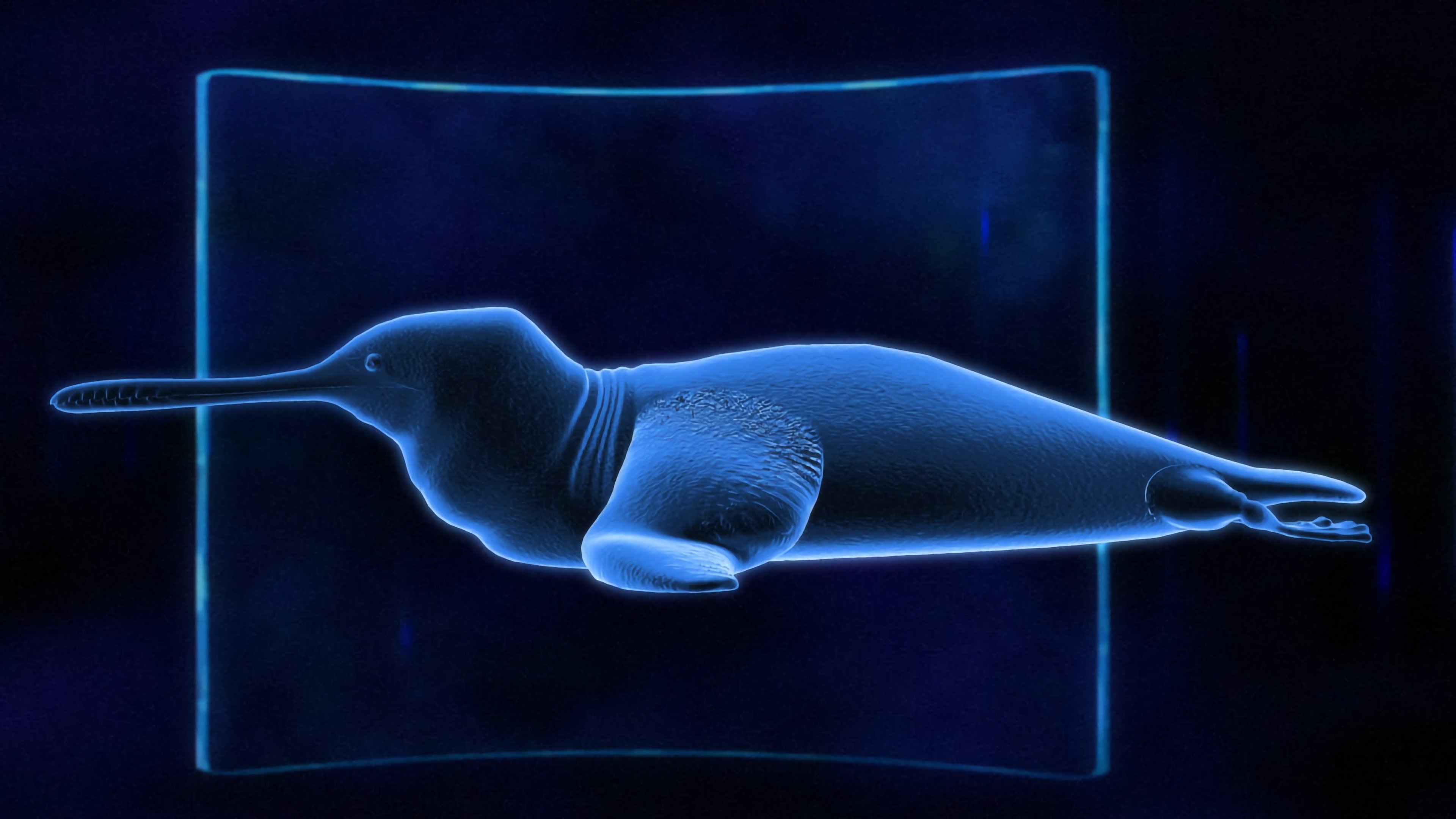
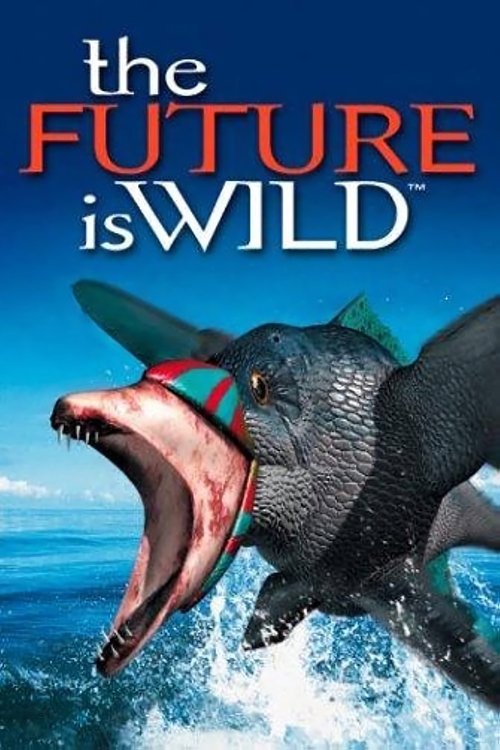
The episode is set in North Europe, 5 million years into the future. The episode focuses on three hypothesized species: (1) Shagrat, a descendant of the marmot that has grown in size and developed thicker fur and a smaller nose to protect it from the cold; (2) Snowstalker, a descendant of the wolverine that has evolved sabre-teeth and white fur for camouflage; (3) Gannetwhale, a descendant of the gannet which has grown to immense size to replace the sea mammals. The episode explains that the onset of the ice age was very fast, so many animals died out. The ones that did survive had to have quick generations so they evolved fast. This is why rodents were successful. The episode follows the story of a female Snowstalker teaching her cubs to hunt, the Gannetwhale's breeding season and the mass migration to the south of the Shagrats.
3. The Vanished Sea
The episode is set in what was the Mediterranean sea in 5 million years time. It features four species: (1) Cryptile, a lizard with a sticky frill to catch flies which it can then lick off at its leisure; (2) Scrofa, a descendant of the wild boar which has developed spindly legs to allow it to live on the rocky islands in the desert; (3) Gryken, a descendant of the pine marten which hunts Scrofa in the cracked rocks of the landscape; (4) brine flies (live-acted). Before this time in the future, the tip of Africa has collided with the southern tip of Spain, thus enclosing the Mediterranean inland. It has since dried up to become an enormous salt desert with a few lakes of ultra-saline water, as it was during the Messinian salinity crisis. The holiday islands that used to be in the sea are now mountains scattered throughout the desert.
Cast & Crew
Christian Rodska
Narrator