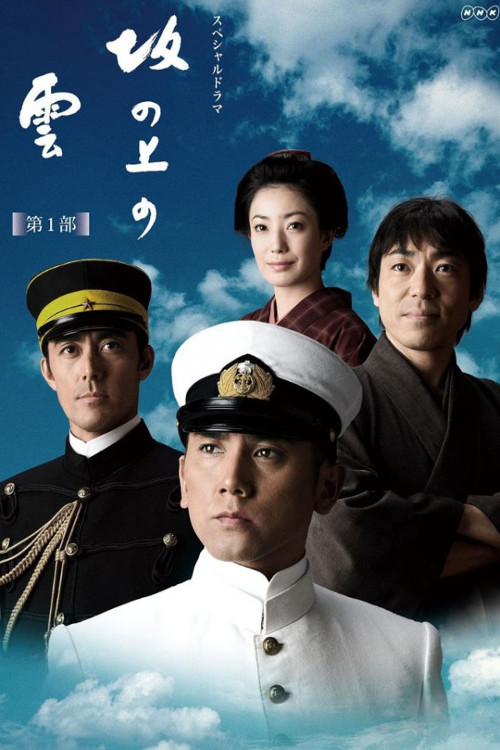
Clouds Over the Hill
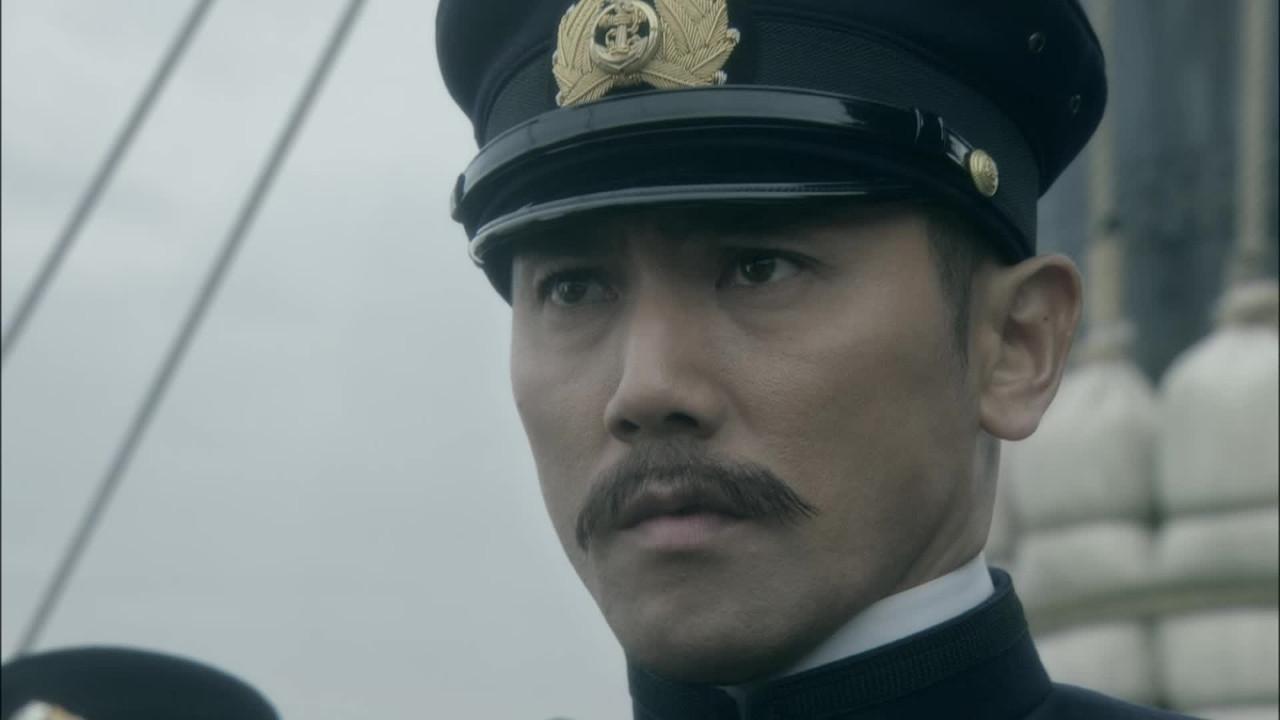
Saka no Ue no Kumo is an NHK 21st Century special drama which was aired over three years starting from November 29, 2009. The series runs 13 episodes at 90 minutes each. The first series, with 5 episodes, was broadcast in 2009, while series two and three, each with 4 episodes, were broadcast in late 2010 and 2011. While most episodes were shot in Japan, one of the episodes in series two was shot in Latvia. The TV series is based on the novel Saka no ue no kumo by Ryōtarō Shiba and adopted by Hisashi Nozawa. The theme song of the drama series is titled "Stand Alone". It was composed by Joe Hisaishi, written by Kundo Koyama and performed by British soprano singer Sarah Brightman.
Overview
Saka no Ue no Kumo is an NHK 21st Century special drama which was aired over three years starting from November 29, 2009. The series runs 13 episodes at 90 minutes each. The first series, with 5 episodes, was broadcast in 2009, while series two and three, each with 4 episodes, were broadcast in late 2010 and 2011. While most episodes were shot in Japan, one of the episodes in series two was shot in Latvia. The TV series is based on the novel Saka no ue no kumo by Ryōtarō Shiba and adopted by Hisashi Nozawa. The theme song of the drama series is titled "Stand Alone". It was composed by Joe Hisaishi, written by Kundo Koyama and performed by British soprano singer Sarah Brightman.
西村与志木
Creator / EP
Episodes
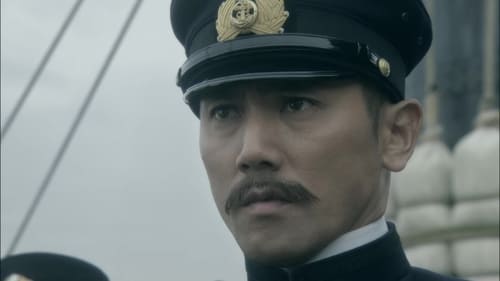
1. "Shōnen no Kuni" (少年の国)
After the defeat of Bakufu system which lasted for 260 years, more modern nation “Meiji” was born in Japan. However, this nation is more of a “land of the children” surrounded by “grownups” in the name of imperialism of western nations. There once were three men at Iyo-matsuyama located in Shikoku region. Yoshifuru Akiyama, Saneyuki Akiyama who later took a great part on “Russo-Japanese War” the biggest crisis Meiji Japan ever encountered and Shiki Masuoka who represents modern Japanese literature we know today with his brother. These 3 men who were raised by the people and land of Matsuyama, decided to move to Tokyo. Time flew by and these 3 men returned home and a took picture in front of Matsuyama castle. In the16th year of Meiji Era (1883), Yoshifuru enrolled at Army War College. In June of the same year, while Shiki was giving a speech for Freedom and People’s Right Movement, he received a letter from his young sister Ritsu, written by his uncle in Tokyo. In the letter his uncle suggests he move to Tokyo. The letter delighted him, and he immediately decided to move.
2. "Seiun" (青雲)
In 1884, a year has passed since Saneyuki and Shiki moved to Tokyo, a different world from Iyo-Matsuyama due to Westernization. In September, both Saneyuki and Shiki pass the entrance exam to the preliminary University. As Yoshifuru was told about their success, he admonished them to be independent and not pamper themselves. On the other hand, at Army College where Yoshifuru was enrolled, Gentaro Kodama offers Major Mackel a post to teach combat tactics of the German Army. The Japanese Army becomes German style.
3. "Kokka Meidō" (国家鳴動)
“Land of the children,” Meiji Japan that began treading in rough water of Western power has been suffering from a world stage, just like the main characters. In 1889, the Constitution of the Empire of Japan was proclaimed and Japan began to establish the foundation of a modern nation. In summer of this year, Shiki goes home in Matsuyama for medical treatment. Saneyuki also comes home from Edashima and they see each other after an interval of three years. They spend time with Ritsu who has been taking care of Shiki. However, Shiki says that he will follow the path of Haiku, deciding to use his real name “Shiki” as the pseudonym. Meanwhile, Saneyuki causes a trouble during his homecoming.
Cast & Crew
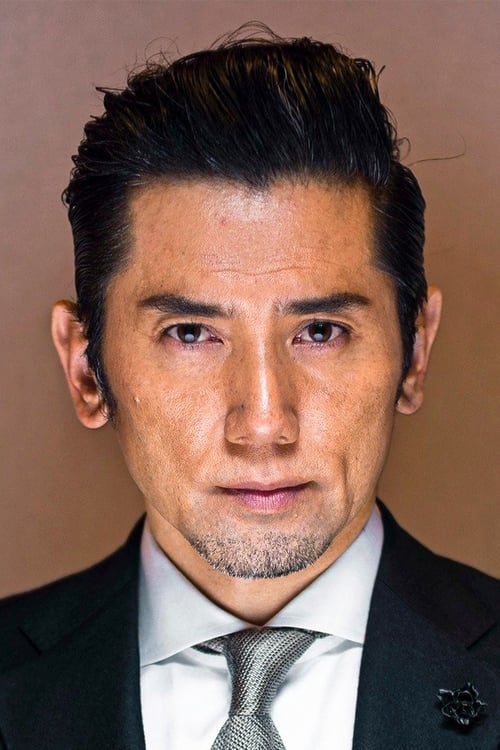
Masahiro Motoki
秋山真之
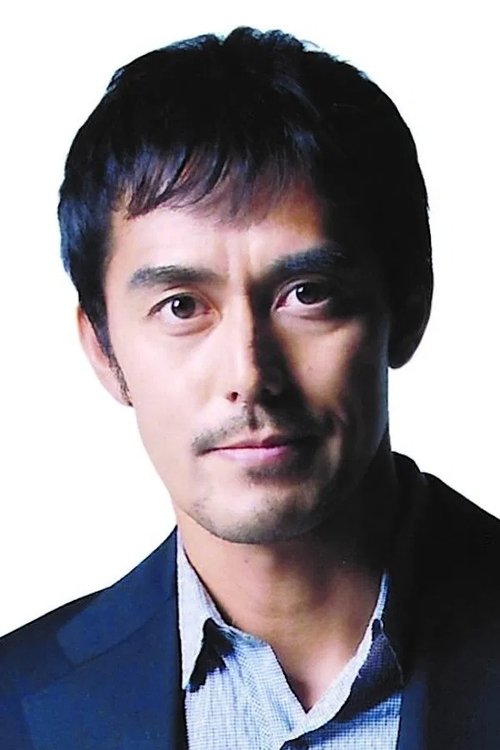
Hiroshi Abe
秋山好古

Miho Kanno
正岡律
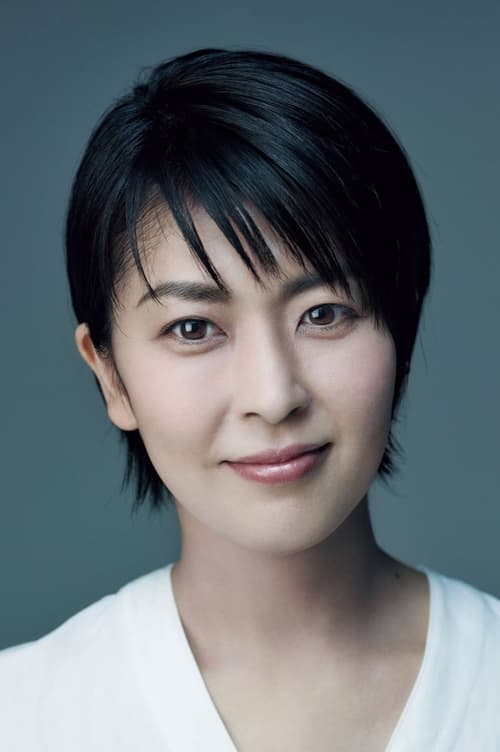
Takako Matsu
秋山多美

Marina Aleksandrova
アリアズナ