Heimat
Spanning 1919 to 1982, in the fictional village of Schabbach, live Maria Simon and her family, whose lives and community are changed by historical events around them.
Overview
Spanning 1919 to 1982, in the fictional village of Schabbach, live Maria Simon and her family, whose lives and community are changed by historical events around them.
Joachim von Mengershausen
Producer
Episodes

1. The Call of Far-Away Places (1919-1928)
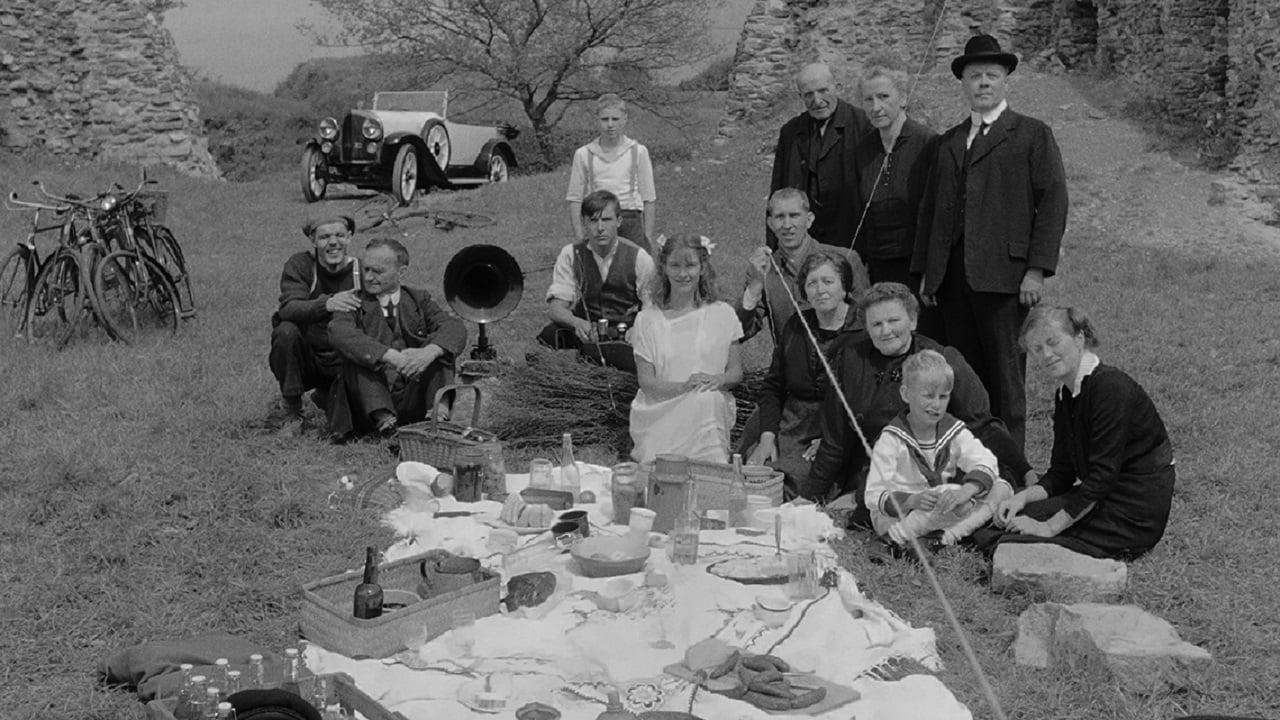
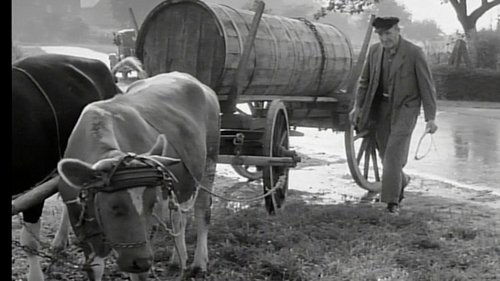
1918 (November) -- World War I ends. 1919 -- the Weimar Republic is set up at Weimar, Germany. Katharina and Mathias Simon live in the small village of Schabbach in the Hunsrick area of Germany. They have three children: Eduard, Pauline and Paul. Eduard has health problems with his lungs and has to be careful with his body. Following the end of World War I, Paul Simon walks at least part of the way home to his little village. He sees his father busy at his blacksmithing duties as usual. Dad doesn't skip a hammer blow when his son shows up suddenly. Paul just joins in the hammering. His mother and sister are more excited about seeing him, but their reaction it is still somewhat subdued from what one might expect on such an occasion. Paul's response is also very subdued. It's as if he were still in the POW camp in France from which he was released. Perhaps he felt as if he was simply going from one prison to another kind of prison. The people of the village start to show up at Paul's house and they are much more excited than any of the Simons, at least outwardly, to see Paul return. Paul starts to fall in love with Apollonia. This again indicates an attitude of distance from the village because Apollonia, who is called a gipsy for her ways and her darker features, has been socially ostracized by the village for her fraternization with a Frenchman. Apollonia even gets pregnant by the Frenchman. She likes Paul saying that he is the only village resident who is nice to her. One day she actually asks Paul to run away with her by staying on the train with her instead of getting off at Schabbach and settle elsewhere. Paul is a bit tempted, but he settles for caution and returns to his home. And then all of a sudden Paul marries the lovely Maria, the daughter of the wealthy town mayor Wiegand and brother to the egotistical and somewhat sadistic Wilfried. They have two sons, Anton and Ernst. Paul becomes a real radio enthusiast and builds his own radio, which takes some doing since the small village does not have most of the components. He then puts on a little picnic concert with some of the villagers, the radio providing the entertainment. The villagers are enchanted to hear the music on the radio and Paul is seen as a kind of local hero for his accomplishment. Just when it seems that Paul is adjusting somewhat to village life, one day he just simply walks away from the village without one word to anyone. (This is just after a bit of symbolism with his setting a trap for a bothersome pine marten. To Paul the village was his trap.) 1923 -- inflation explodes prices upward creating great problems in Germany. Adolf Hitler's Munich Putsch fails and he is imprisoned. In prison he writes his Mein Kampf (My Struggle)
2. The Center of the World (1928-1933)
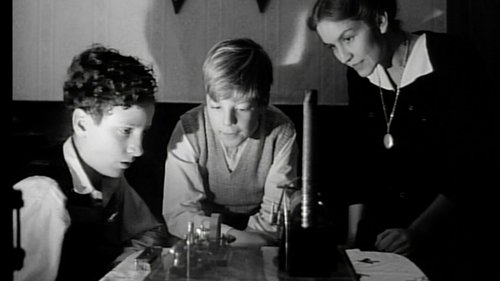
1929 -- the Great Depression begins further impoverishing the less fortunate Germans. This puts great pressure on the ill-equipped Weimar democracy. 1932 -- unemployment is now extremely high. The fascist private army, the SA, with its brownshirts spreads violence in city streets. The Nazi Party makes headway in elections. 1933. Hitler becomes Reich Chancellor. The Reichstag burns and the fascists blame it on the communists. Hitler gets sweeping powers to handle the "threat". This finishes the weak Weimar Republic. A reign of terror begins giving Hitler all the power. Eduard, Paul's younger brother, has developed tuberculosis and he is sent to Berlin for special treatment. He is a little slow emotionally, often appearing way too naive about life. Standing outside a brothel, some of the prostitutes strike up a conversation with Eduard. He seems so sweet and innocent that they invite him into the house. Eduard has no idea where he is, but he enjoys the attention that he receives. The madam Lucie takes an almost immediate liking to him and she has sex with Eduard. Eduard unknowingly misleads Lucie into thinking that he is a member of the landed gentry. Lucie almost immediately marries Eduard. Hitler is starting to become more well-known and powerful in Germany. The villagers get excited about celebrating Hitler's birthday. It seems the only one with any real sense in the village is Katharina Simon, the mother of Paul. She is a down-to-earth, no nonsense woman with a big loving heart for her own children and other people. Katharina is very skeptical of this Hitler character and she decides to get of the village rather than stick around for the Hitler worship. She visits her brother in Bochum. Her nephew Fritz is said to be a communist and he is arrested and sent to a camp where he is to be "reeducated". Katharina takes Fritz's young daughter, blond-headed Lotti, with her back to Schabbach as part of her family. Back home Katharina is further upset with all the Hitler mania. She asks her grandson Anton to tell everyone he has a weak heart and to never put on any kind of fascist-inspired uniform.
3. The Best Christmas Ever (1935)
From Berlin the sickly Eduard brings his wife Lucie home to Schabbach. Lucie is an extremely ambitious woman and wants her husband to rise politically. She constantly henpecks poor Eduard to figure out a way to become more and more successful. Eduard's real love, however, is his photography. He is always taking pictures of all kinds of village events and village people. But Lucie pushes him to become a prominent local person in the Nazi Party. Lucie gets Eduard to borrow money from a Jewish banker (despite the hatred of Hitler for the Jews) with which she builds her "dream" house which is the most prominent house in the village. Eduard soon becomes mayor and Lucie revels in her role as the village's first lady, constantly entertaining Nazi party officials so that Eduard will be able to rise even higher in the fascist power hierarchy. Christmas Time, 1935 Lucie is sitting pretty and considers it the best Christmas ever. 1935 -- the Nuremberg Laws strip Jewish people of their basic civil rights. The Jews are becoming legally, socially and politically separated from the non-Jewish Germans. Inter-faith marriage, or even sexual relations, with Jews is strictly forbidden.
Cast & Crew

Kurt Wagner
Glasisch Karl

Marita Breuer
Maria Simon
Rüdiger Weigang
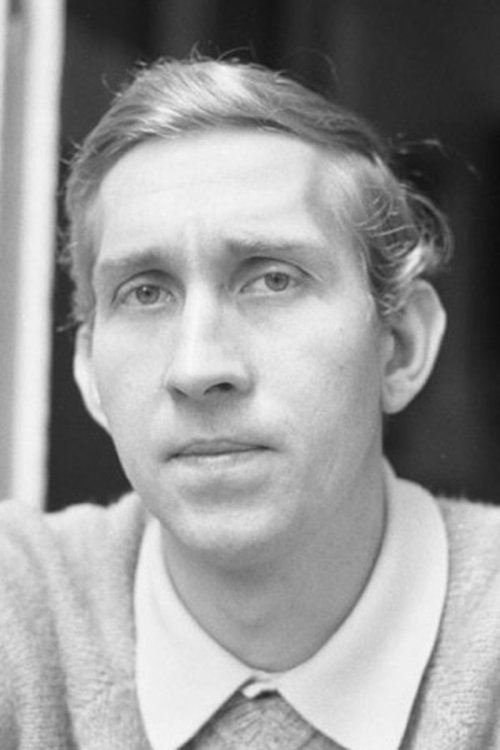
Eduard Simon
Gertrud Bredel
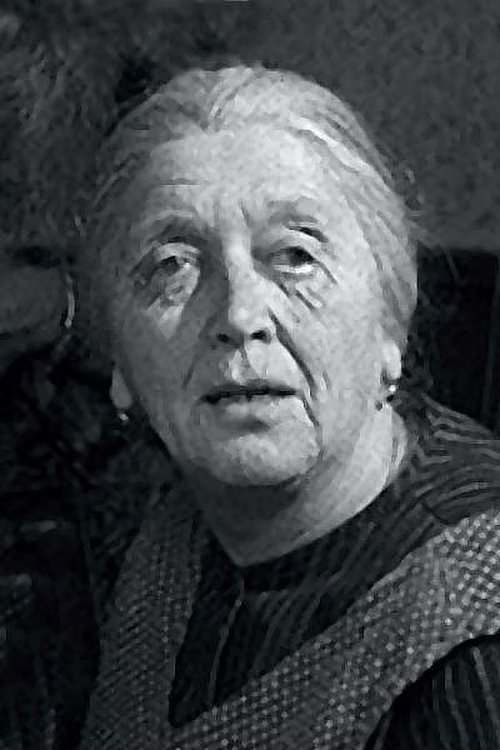
Katharina Simon

Karin Rasenack
Lucie Hardtke
Willi Burger
Mathias Simon