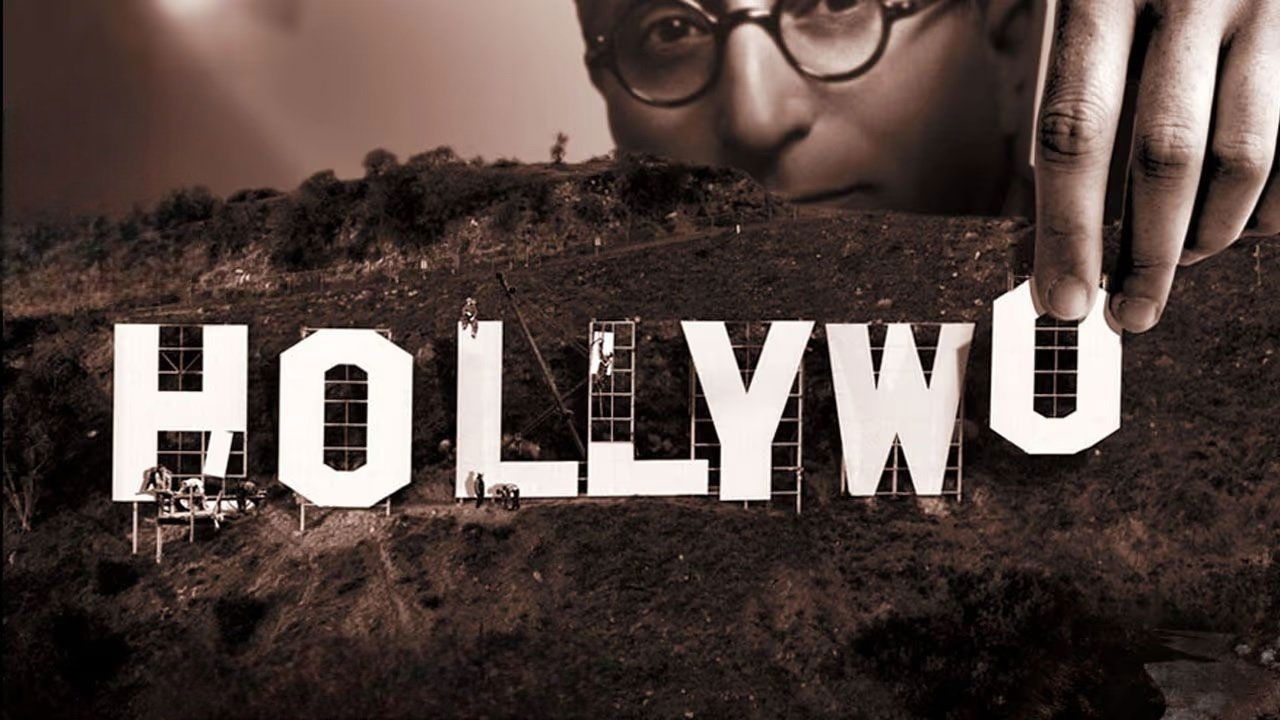
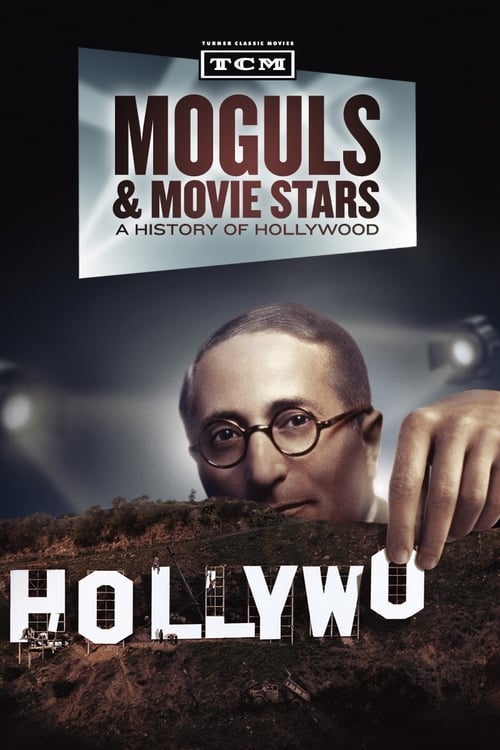
Moguls & Movie Stars: A History of Hollywood
Each installment focuses on a different era of American movie history, from the invention of the first moving pictures to the revolutionary, cutting-edge films of the 1960s.
Overview
Each installment focuses on a different era of American movie history, from the invention of the first moving pictures to the revolutionary, cutting-edge films of the 1960s.
Bill Haber
Creator / EP
Jon Wilkman
Producer
Episodes

1. Peepshow Pioneers (1888-1907)
As America was transformed by the arrival of millions of immigrants in the 1890s, the first generation of American filmmakers joined with other innovators and entrepreneurs to create a bright new entertainment form that would transform the world. Thomas Edison perfected a device called the Kinetoscope that made pictures move, for one viewer at a time. In France, the brothers Auguste and Louis Lumière brought scenes of everyday life to the screen for a large audience, while the magician Georges Méliès created startling visual effects on film and Alice Guy Blaché became the first female film director. In the U.S., moviemaking in these early days was concentrated in New York, New Jersey and Chicago.

2. The Birth of Hollywood (1907-1920)
California was quickly recognized as the ideal setting for the American film industry, with its relative freedom from patent problems, constant sunshine and varied geography. As early as 1909, moviemakers were hard at work in Hollywood, including William Selig, who had founded one of the country's first movie studios in Chicago. In 1913 Jesse Lasky, Samuel Goldwyn and Cecil B. DeMille formed a filmmaking company and established themselves among the first generation of Hollywood moguls, producing one of the first feature-length films in the U.S., The Squaw Man (1914).
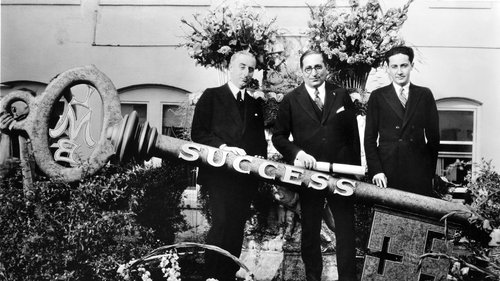
3. The Dream Merchants (1920-1928)
The Hollywood studio system flowered in the 1920s, headed by strong-willed leaders -- most of them immigrants and small-time entrepreneurs and many of them Jewish. Each studio had its own house style. MGM, headed by Russian-born Louis B. Mayer with Irving Thalberg as his "boy wonder" production head, was super-glossy. Warner Bros., eventually to be led by brother Jack, provided grit, while Paramount, headed by Hungarian-born Adolph Zukor, lent glamour. Laemmle's Universal Pictures produced lavish spectacles and a series of fantastic dramas starring Lon Chaney. The movies' influence grew more powerful, affecting real life in terms of fashion, attitudes and behavior.
Cast & Crew
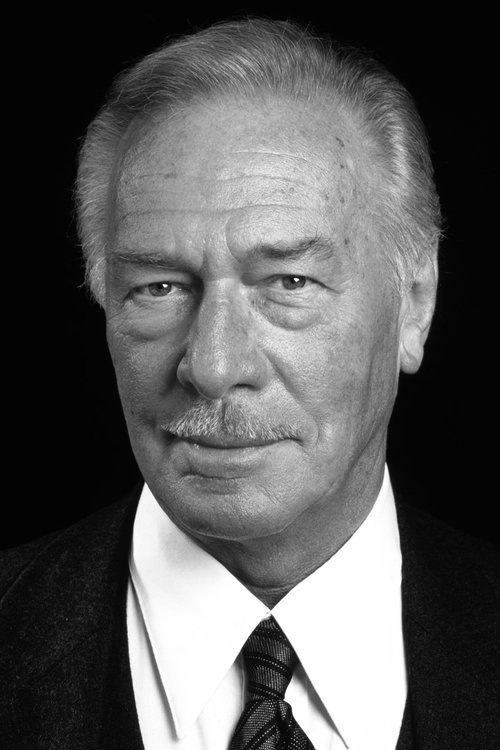
Christopher Plummer
Narrator

Paul Israel
Self
Terry Borton
Self
Charles Musser
Self

Leonard Maltin
Self
Anthony Slide
Self