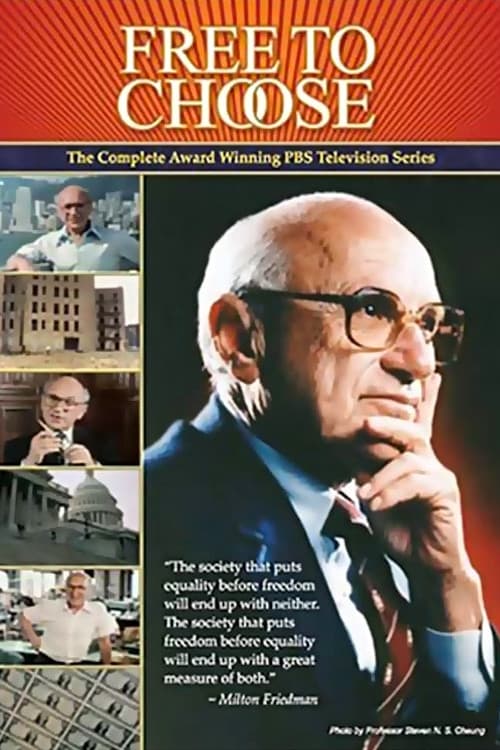
Free to Choose
Free to Choose is a ten-part television series broadcast on public television by economists Milton and Rose D. Friedman that advocates free market principles. It was primarily a response to an earlier landmark book and television series: The Age of Uncertainty, by the noted economist John Kenneth Galbraith. Milton Friedman won the Nobel Memorial Prize in Economics in 1976.
Overview
Free to Choose is a ten-part television series broadcast on public television by economists Milton and Rose D. Friedman that advocates free market principles. It was primarily a response to an earlier landmark book and television series: The Age of Uncertainty, by the noted economist John Kenneth Galbraith. Milton Friedman won the Nobel Memorial Prize in Economics in 1976.
Episodes

1. The Power of the Market
Dr. Friedman visits and narrates a number of success and failure stories in history, which he attributes to capitalism or the lack thereof.
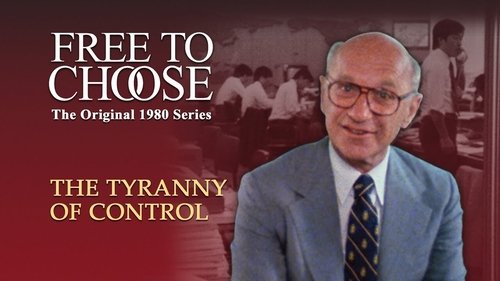
2. The Tyranny of Control
Government planning and detailed control of economic activity lessens productive innovation, and consumer choice. Good, better, best, are replaced by "approved" or "authorized." Friedman shows how "established" industries or methods, seek government protection or subsidization in their attempts to stop or limit product improvements which they don't control. Friedman visits India, Japan and U.S.
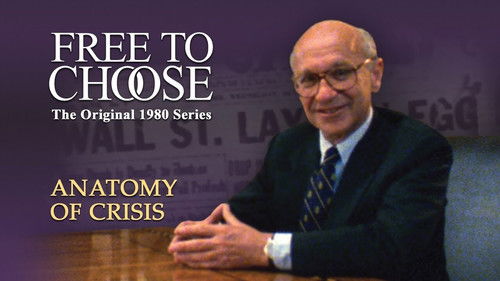
3. Anatomy of a Crisis
The Great Depression has been popularly viewed as a failure of capitalism. The stock market crash, the failure of the Bank of the United States, loss of personal savings, were visible symbols supporting this belief. As Friedman explains, the real cause was the unseen failure of government policy and action. Yet this crisis resulting from government failure leads to decades of government expansion.