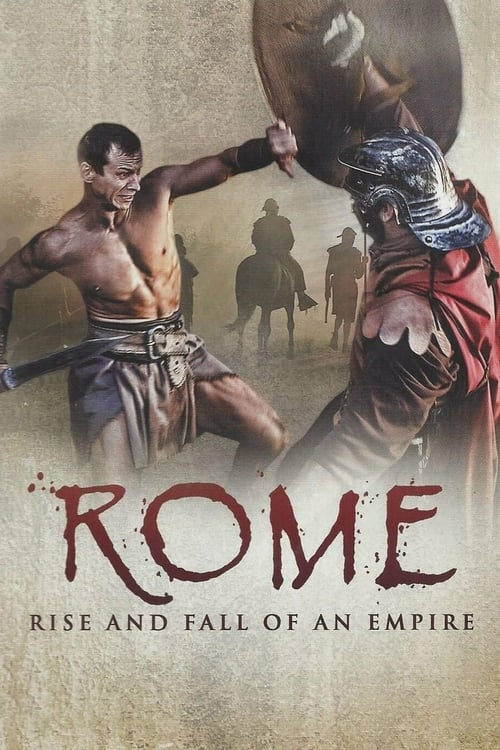
Rome: Rise and Fall of an Empire
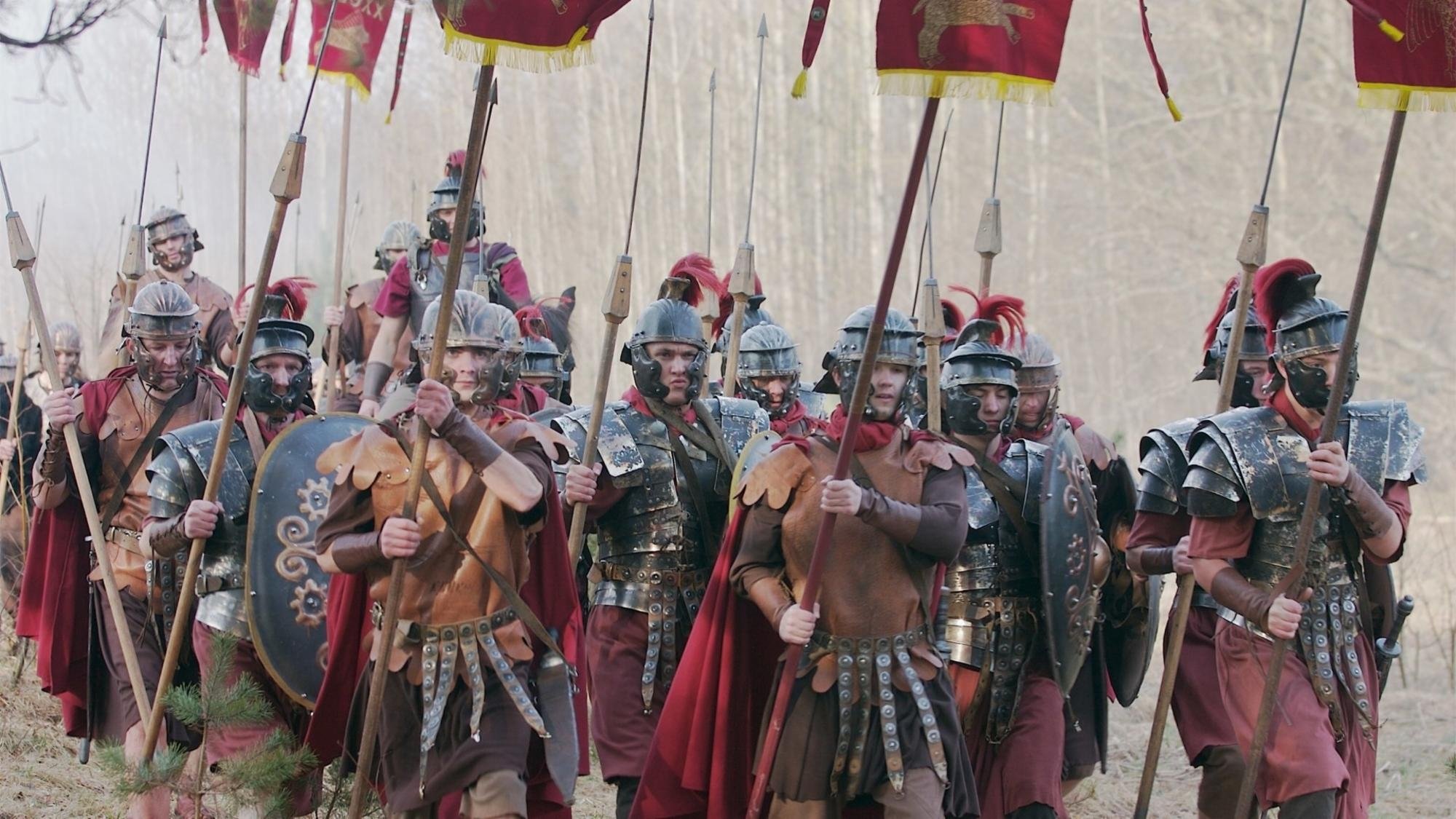
The Germanic, Britannic and other barbarian tribal wars with Rome ultimately led to the decline and fall of the Roman Empire. This series is centered on the campaigns and battles with the barbarian tribes and extensive examinations of the reigns of little known Roman emperors and generals.
Overview
The Germanic, Britannic and other barbarian tribal wars with Rome ultimately led to the decline and fall of the Roman Empire. This series is centered on the campaigns and battles with the barbarian tribes and extensive examinations of the reigns of little known Roman emperors and generals.
Episodes
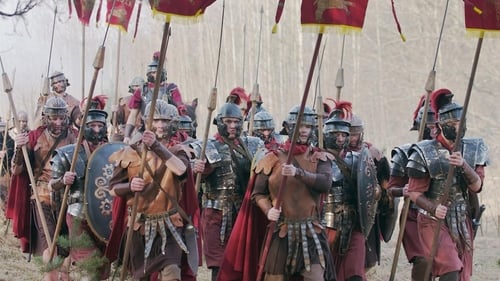
1. The First Barbarian War
It is 113 BC Rome is a Republic, a small empire that clings to the rim of the Mediterranean. Though a democracy in name and spirit, a man must be rich and from the noble class to hold the highest offices, both political and military. The system has worked well for three centuries. But now a barbarian horde known as the Cimbri smashes through the northern imperial border. One humiliating defeat follows another, with losses of hundreds of thousands of Roman legionaries. Terror grips Rome and drives her into the arms of General Marius. Though he is a commoner, he has a brilliant military mind. To defeat the Cimbri, Marius will transform the Roman army and shake the Republic's political foundations to the core. It is a turning point for the Republic. Faced with the savage Cimbri, Rome must decide between dictatorship or annihilation.
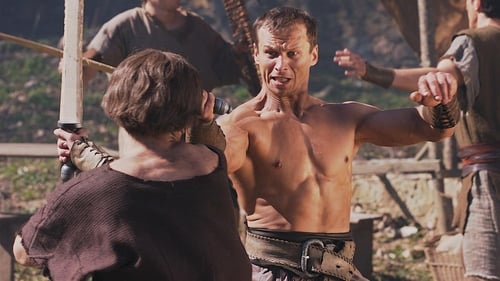
2. Spartacus
When Roman generals Pompey and Crassus lead their mighty legions of soldiers and mercenaries into the lands surrounding Italy, neither could anticipate the turmoil caused by one bold mercenary: Spartacus. A Thracian warrior, Spartacus deserts the Roman army, but is captured and made a slave, forced to fight as a gladiator. But in 73 BC the untamable barbarian leads a slave revolt of 70,000 gladiators against the Roman Republic. Though the brutal and conniving Roman General Crassus is finally able to suppress the revolt, his rival, the more popular Pompey, takes all the credit, sparking a division within the Republic itself that will ultimately spell its demise.
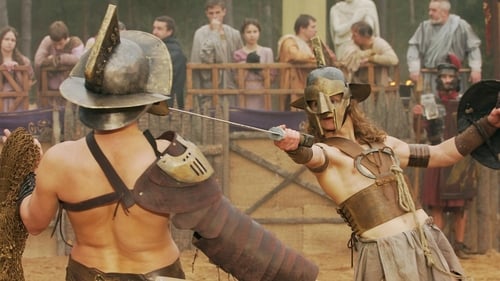
3. Julius Caesar
It is 60 BC. Over-powerful generals and money corrupts the Roman Republic. The empire churns with civil war, and violence and murder run rampant in the streets. Julius Caesar, desperate for fame and honor, embarks on a brutal decade long campaign to annex Gaul and build his own reputation. His aristocratic rivals try to stop him, but he is an expert manipulator. His propaganda and extravagant victories against bloodthirsty barbarians thrill the public. In 49 BC, he crosses the Rubicon intending to claim his rightful place as the chief man of Rome. It sparks a new civil war that pits him against Pompey the Great and sounds the final death knell for the Republic.